

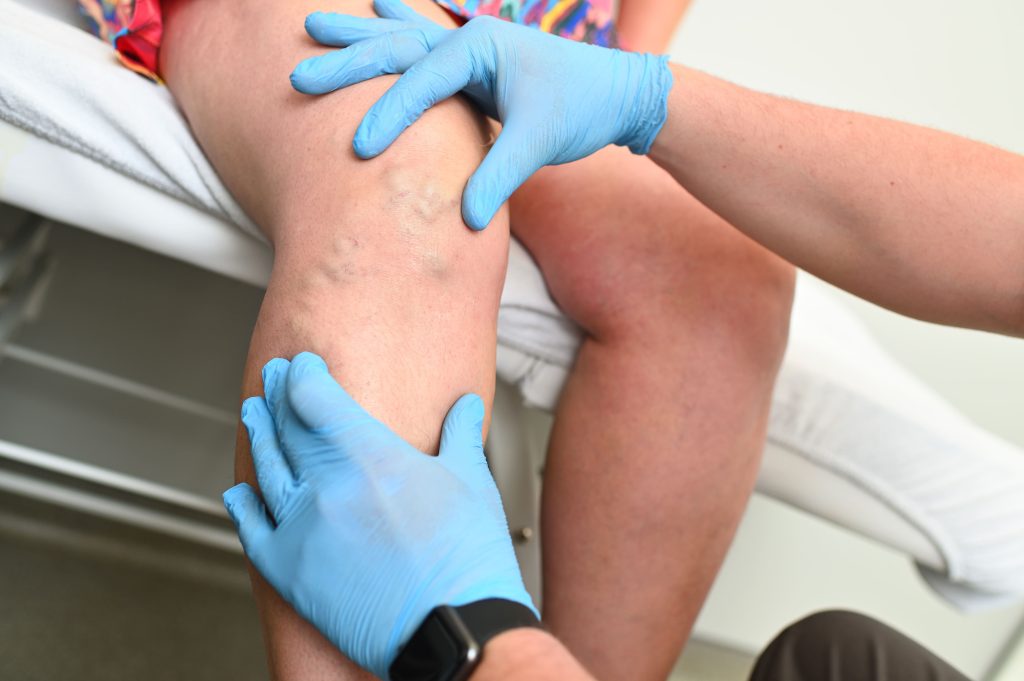
Introduction to Deep Vein Thrombosis
Deep Vein Thrombosis (DVT) is a medical condition characterised by forming a blood clot, known as a thrombus, in a deep vein, predominantly in the lower legs, thigh, or pelvis. However, it can also occur in other parts of the body.
DVT is part of a larger group of conditions known as venous thromboembolism (VTE), which also includes pulmonary embolism (PE). In this potentially life-threatening complication, a clot breaks off and travels to the lungs. The significance of understanding DVT lies in its commonality and potential for severe complications.
Causes of DVT
Deep Vein Thrombosis (DVT) arises from a combination of factors known as Virchow’s triad, which includes changes in blood flow, blood vessel damage, and alterations in the blood’s composition. These factors contribute to the development of clots in the deep veins:
- Changes in Blood Flow: Stagnation of blood flow due to prolonged immobility, such as after surgery, during long-distance travel, or when confined to bed; slow blood flow in deep veins, which can lead to clot formation.
- Blood Vessel Damage: Injury to the vein’s inner lining, possibly from surgery, trauma, or invasive medical procedures, can initiate clot formation; conditions such as inflammation or vasculitis also damage vein walls, contributing to DVT.
- Alterations in Blood Composition: Increased clotting tendency, which may result from genetic conditions, certain medications, or lifestyle factors like smoking; changes in blood chemistry due to medical conditions such as cancer, pregnancy, or hormone therapy.
Risk Factors for Developing DVT
Several factors increase the likelihood of developing Deep Vein Thrombosis (DVT), grouped into modifiable and non-modifiable risk factors:
- Modifiable Risk Factors:
- Prolonged Immobility: Extended sitting or lying down, for instance, during long flights or bed rest.
- Obesity: Increases pressure in the legs’ veins.
- Smoking: Impairs circulation and promotes blood clot formation.
- Hormone-based Medications: Use of contraceptives or hormone replacement therapy that can elevate clotting risk.
- Non-Modifiable Risk Factors:
- Age: Individuals over 60 are at increased risk.
- Genetics: A family history or genetic predisposition to clotting disorders.
- Previous DVT or PE: A history of these conditions raises future risk.
- Chronic Diseases: Conditions like heart disease, cancer, and inflammatory diseases increase DVT risk.
- Pregnancy: Changes blood flow and pressure in the veins, enhancing the risk of DVT.
Symptoms and Diagnosis
Identifying Deep Vein Thrombosis (DVT) early can significantly reduce the risk of complications. Awareness of the symptoms and the diagnostic process is essential for timely intervention.
Symptoms of DVT
- Swelling in the affected leg, including swelling in your foot and ankle.
- Pain in your leg often starts in your calf and can feel like cramping or soreness.
- Red or discoloured skin on the leg.
- A feeling of warmth in the affected leg.
It is crucial to note that DVT can occur without any noticeable symptoms.
Diagnosis of DVT
Diagnosing DVT usually involves a combination of medical history assessment, physical examination, and specific tests:
- D-dimer Test: A blood test measures a substance released when a blood clot breaks up. High levels may indicate the presence of an abnormal clot, but D-dimer levels can also be elevated for other reasons.
- Ultrasound: A type of imaging test that uses sound waves to create pictures of blood flowing through your veins. It can identify clots and their location.
- Venography: A special X-ray of the veins in the legs.
- MRI or CT scans: In some cases, these imaging tests may be used to diagnose DVT or evaluate its extent.
Treatment Options for DVT
Treatment for Deep Vein Thrombosis (DVT) focuses on preventing the clot from growing, reducing the risk of complications, and preventing future clots. Treatment options vary depending on the severity of the condition and the individual’s overall health.
- Anticoagulants: Commonly known as blood thinners, these medications prevent new clots from forming and existing ones from getting bigger. They do not dissolve the clot but can prevent further complications. Examples include warfarin, heparin, and direct oral anticoagulants (DOACs).
- Thrombolytics: In severe cases, especially when there is a risk of significant complications like pulmonary embolism, medical specialists may prescribe drugs that dissolve blood clots. These are usually given intravenously and are used in a hospital setting.
- Compression Stockings: Wearing graduated compression stockings can help prevent swelling associated with DVT and reduce the risk of post-thrombotic syndrome, a complication that can develop after DVT.
- Venous Filters: In situations where anticoagulation is not possible, a venous filter may be inserted into a large vein in the abdomen (the inferior vena cava) to prevent clots from travelling to the lungs.
- Lifestyle Adjustments: Incorporating regular exercise, maintaining a healthy weight, and avoiding prolonged periods of immobility can help manage and prevent DVT.
The choice of treatment is tailored to the individual, taking into account the location and size of the clot, any underlying conditions, and the risk of bleeding complications from treatment.
Preventive Measures for DVT
Preventing Deep Vein Thrombosis (DVT) involves addressing the risk factors that can lead to clot formation. Several strategies can be effective in reducing the risk of DVT, especially for individuals at higher risk or those undergoing situations that temporarily increase their risk, such as surgery or long-distance travel.
- Staying Active: Regular physical activity improves circulation and can help prevent clots. Simple exercises, such as walking, are beneficial.
- Maintaining a Healthy Weight: Being overweight increases the pressure on the veins in your legs and pelvis, which can lead to clot formation.
- Staying Hydrated: Adequate hydration helps to keep the blood less sticky and less prone to clotting.
- Avoiding Prolonged Immobility: During long periods of sitting, such as on long flights or drives, take breaks to stand up and walk around. Flexing the ankles can also help improve circulation.
- Compression Garments: For those at high risk, wearing graduated compression stockings can help by applying gentle pressure to the legs, promoting blood flow.
- Medication Adjustments: People who are at increased risk due to hormonal therapy or birth control may need to discuss alternative medications with their vascular surgeon.
When to Seek Medical Advice
Seeking medical consultation is crucial if you suspect Deep Vein Thrombosis (DVT) or experience symptoms indicative of this condition. Prompt diagnosis and treatment are essential to mitigate the risk of serious complications. Indications for immediate medical attention include:
- Unexplained Swelling in One Leg: Especially if it is accompanied by pain, tenderness, or both.
- Change in Leg Color or Temperature: A leg that becomes red, discoloured, or warm to the touch.
- Difficulty Breathing or Chest Pain: These symptoms could signify a pulmonary embolism, a critical condition where a clot has migrated to the lungs, necessitating urgent medical care.
Even without these symptoms, individuals with risk factors for DVT should consult a vascular surgeon if they experience unexplained leg discomfort. Moreover, people with a history of DVT or pulmonary embolism, or those at significant risk, should have a conversation with their vascular surgeon about preventive strategies and symptom awareness.
Conclusion
Deep Vein Thrombosis (DVT) is a significant medical condition characterised by the formation of blood clots in deep veins, primarily in the legs. Understanding the causes, risk factors, symptoms, and the importance of early diagnosis is essential for effective management and prevention. While DVT can lead to serious complications, including pulmonary embolism, awareness and proactive measures can significantly mitigate these risks.


