

- It is formed by connecting the radial artery to the cephalic vein in the wrist.
- This type is often preferred due to its ease of access and lower risk of complications.
The harley street vascular
Fistula surgery for dialysis
Our primary mission as Circulation Specialists is to help you achieve the healthiest circulation possible for your stage in life.
Whatever your lifestyle, genetic predisposition or individual health aspirations – Your Circulation is your Lifeline.

What Is Fistula Surgery for Dialysis?
A fistula surgery for dialysis, also known as arteriovenous (AV) fistula surgery, is a medical procedure conducted to create a direct connection between a patient’s artery and vein.
This surgical intervention is primarily intended for people with advanced kidney disease who require dialysis. It is meant to facilitate efficient and effective hemodialysis, a process in which blood is filtered outside the body to remove waste products and excess fluids.
Understanding Fistulas
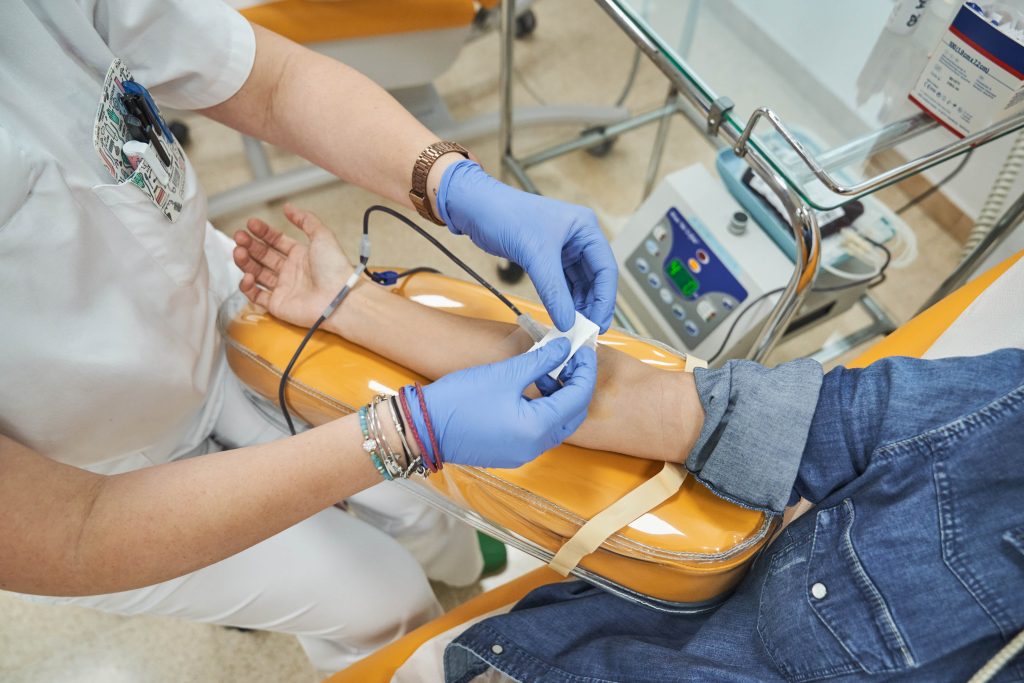
A fistula for dialysis is a surgically created connection between an artery and a vein, which enhances blood flow in the target vein, leading to the enlargement and thickening of the vein. This makes it more resilient for the repeated insertion of needles required for hemodialysis treatments.
A well-functioning fistula can last for many years, providing reliable and durable access to dialysis.
Types of Fistulas Used in Dialysis
The selection of the type of fistula created during surgery depends on the patient’s vascular anatomy and overall health status. The most common types include:
Radial-cephalic fistula
Brachiocephalic fistula
- It involves linking the brachial artery to the cephalic vein in the elbow area.
- This type is considered when the radial-cephalic fistula is not a viable option.
Brachiobasilic fistula
- A more complex procedure that connects the brachial artery to the basilic vein.
- The vein’s location may require additional surgeries to be positioned superficially for easier access.
Preparing for Fistula Surgery
Preparation for fistula surgery involves several steps to ensure the patient’s readiness and optimise the outcome.
Comprehensive Vascular Mapping
This non-invasive diagnostic procedure uses ultrasound technology to visualise the patient’s veins and arteries. It helps to identify the most suitable vessels for creating the fistula and predict the potential for successful maturation of the access site.
Review of Medical History and Medications
A thorough review of the patient’s medical history is conducted to identify any factors that might affect the surgery or recovery, such as allergies to anaesthesia, history of blood clotting or vascular issues.
Fasting and Medication Adjustments
Patients are typically instructed to fast for a specific period before the surgery to prevent aspiration risk during anaesthesia administration. Most fistula surgery however, is performed under a local anaesthetic only.
Additionally, medication adjustments may be recommended, especially for drugs that could affect blood clotting.
The Fistula Surgery Procedure
The surgery usually involves the following steps:
- 1. Administration of Local Anesthesia
This is done to numb the site and ensure the patient experiences no pain during the procedure. - 2. Making a Small Incision
A small incision is made over the predetermined site where the artery and vein have been identified for connection. The size of the incision depends on the location of the vessels and the anatomy of the patient’s arm. - 3. Connecting the Artery to the Vein
A connection between the artery and vein is made using surgical techniques that ensure a secure and effective union between the two vessels. - 4. Closing the Incision
After the fistula has been successfully created, the incision site is closed carefully with sutures or staples to minimise scarring and promote healing. A sterile dressing is then applied to protect the incision site.
Post-Surgery Care
Post-surgery care guidelines include:
- Monitoring the fistula site for signs of infection or complications.
- Regular exercises to promote vein enlargement and maturation.
- Avoiding pressure or tight clothing that may restrict blood flow to the fistula.
- Attend follow-ups to determine when the fistula is ready for use in dialysis.
Frequently Asked Questions (FAQs)
How long does it take for a fistula to mature and be ready for use?
A fistula typically takes between 2 to 3 months to mature enough for use in dialysis. This can vary depending on the person’s health factors, the type of fistula, and how well the patient follows post-operative care instructions.
What are the signs of a healthy fistula?
A healthy fistula has a strong, steady pulse that can be felt over it, often referred to as a “thrill”. It should not have any signs of infection, such as redness, swelling, or discharge, and should not cause pain or discomfort.
How do I care for my fistula daily?
Daily care includes keeping the area clean and dry, checking for the “thrill” to ensure it’s working correctly, and protecting the fistula from injury by avoiding tight clothing or pressure on the area.
Is it normal for a fistula to make a buzzing sound?
Yes, it is normal for a fistula to make a buzzing or humming sound, known as a “bruit”. This sound is caused by the high-speed blood flow through the fistula and is a good sign that it functions correctly.


